Health · Healthy aging
She Did Everything Right for Her Knees. The Stairs Still Won Every Morning.
Walking, weight loss, glucosamine, a heating pad. For millions of Americans over 60 it is not enough. A look at the ginger-and-frankincense habit borrowed from one of the longest-lived places on Earth, and what the studies really say about it.
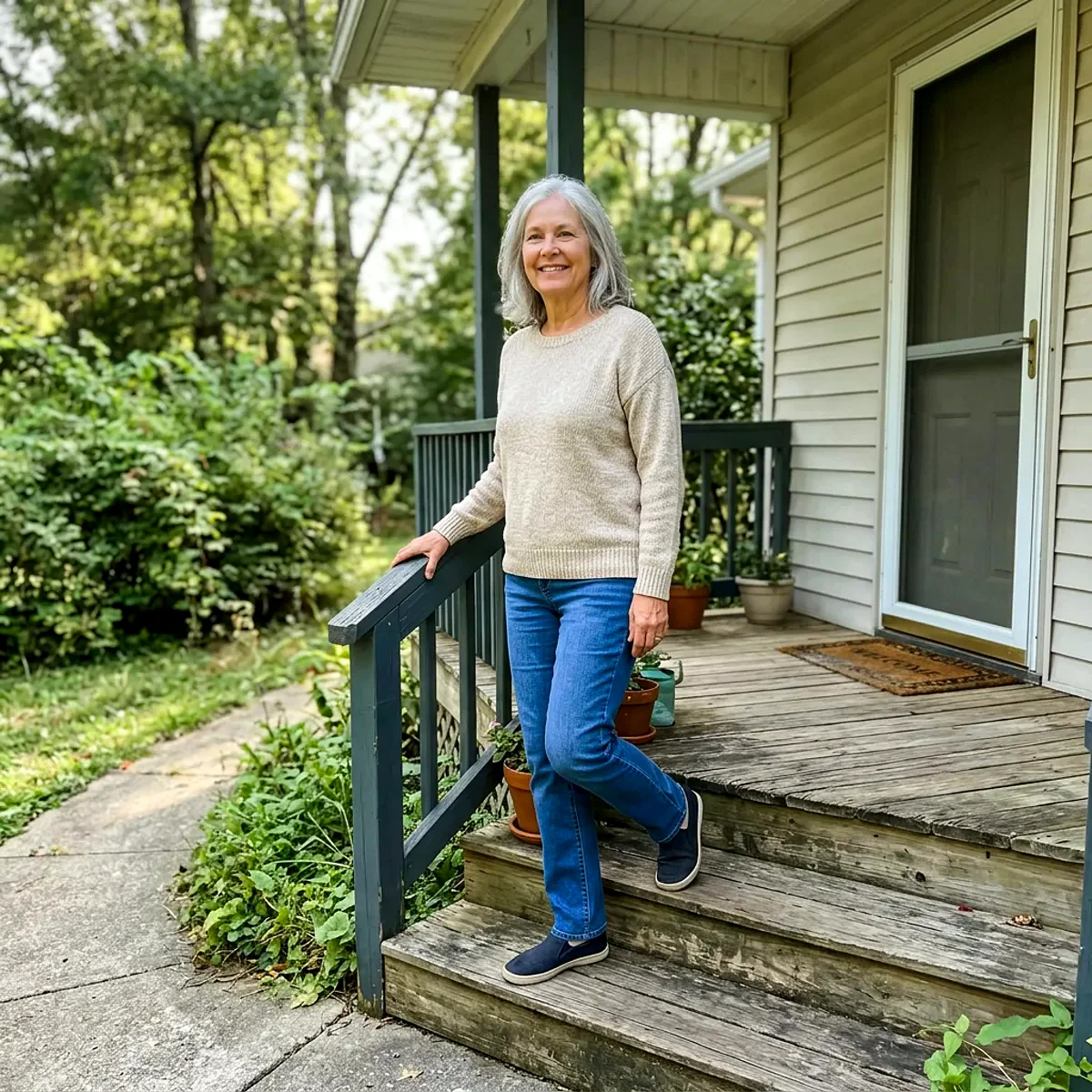
Ask Linda, 68, about her knees and she does not start with the pain. She starts with the list. She walks two miles most mornings. She lost 22 pounds. She took glucosamine for almost two years. She bought the heating pad, the gel, the brace for the bad days.
"I did everything they told me," she says. "And every morning I still go down the stairs sideways, holding the rail with both hands."
If that sounds familiar, you are not alone. Stiff, achy joints are one of the most common complaints of Americans over 60, and many of them have quietly accepted that it is just what getting older feels like.
It is not only "wear and tear"
Inside your knee there is a cushion of cartilage between the bones and a lining that keeps the joint moving smoothly. With the years the cushion gets thinner. That part is real.
But there is a second part people rarely hear about: everyday irritation inside the joint. It is a big reason why mornings feel worst, why the first steps are the hardest, and why the same knee can feel better or worse from one week to the next.
A painkiller can quiet a bad day. Taking one every day is a different story: the FDA has strengthened its warnings about the heart and stomach risks of everyday anti-inflammatory pills like ibuprofen and naproxen. And none of them do anything to look after the joint itself on the good days.
The island where people still sit on the floor at 90
Okinawa, a chain of islands in southern Japan, has one of the highest numbers of people over 100 in the world. Researchers from the Okinawa Centenarian Study have followed them since 1975. One thing visitors notice is how many people in their eighties and nineties still garden, walk to the market and sit on the floor to eat, and get back up on their own.
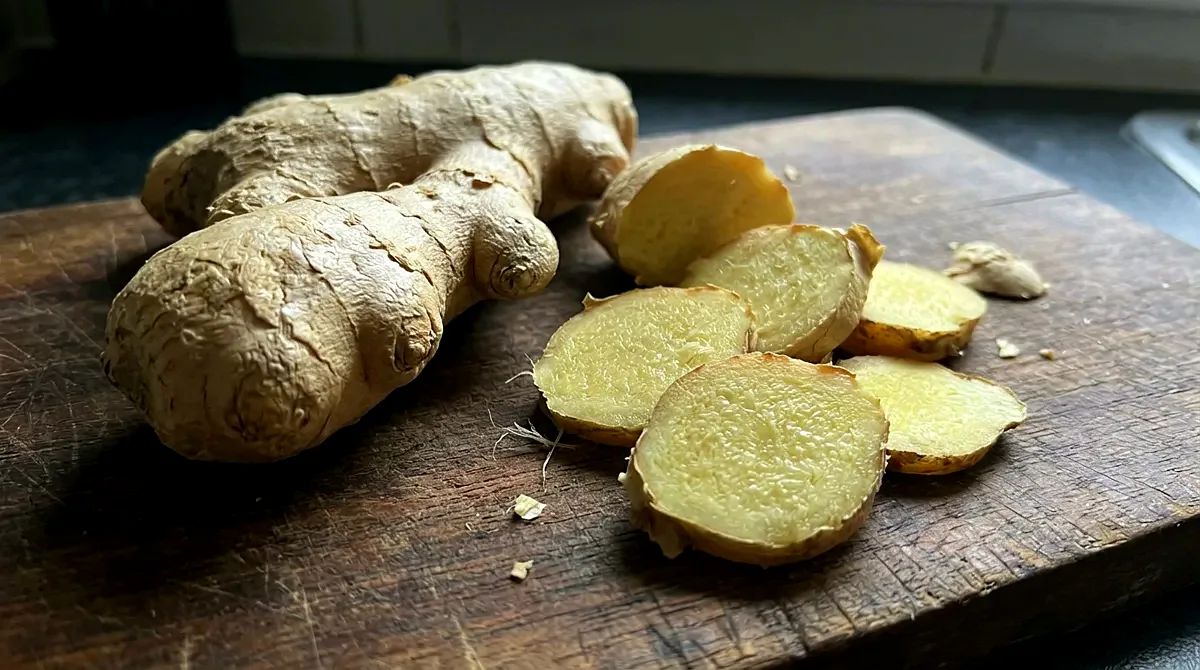
Nobody can credit that to one food. But one ingredient shows up in Okinawan kitchens again and again: ginger, much of it grown in volcanic soil and especially rich in a compound called 6-gingerol.
What the research on ginger actually shows
In 2001, researchers published a trial in the journal Arthritis & Rheumatism. They gave 247 adults with knee discomfort either a concentrated ginger extract or a placebo for six weeks. More people in the ginger group reported less discomfort when standing and after walking. The effect was moderate, not a miracle, and some people had mild stomach upset.
That honest, moderate result is exactly why ginger keeps coming up in conversations about joints. It is not a painkiller. It is something you can take every day.
Two more names to know: Boswellia and type II collagen
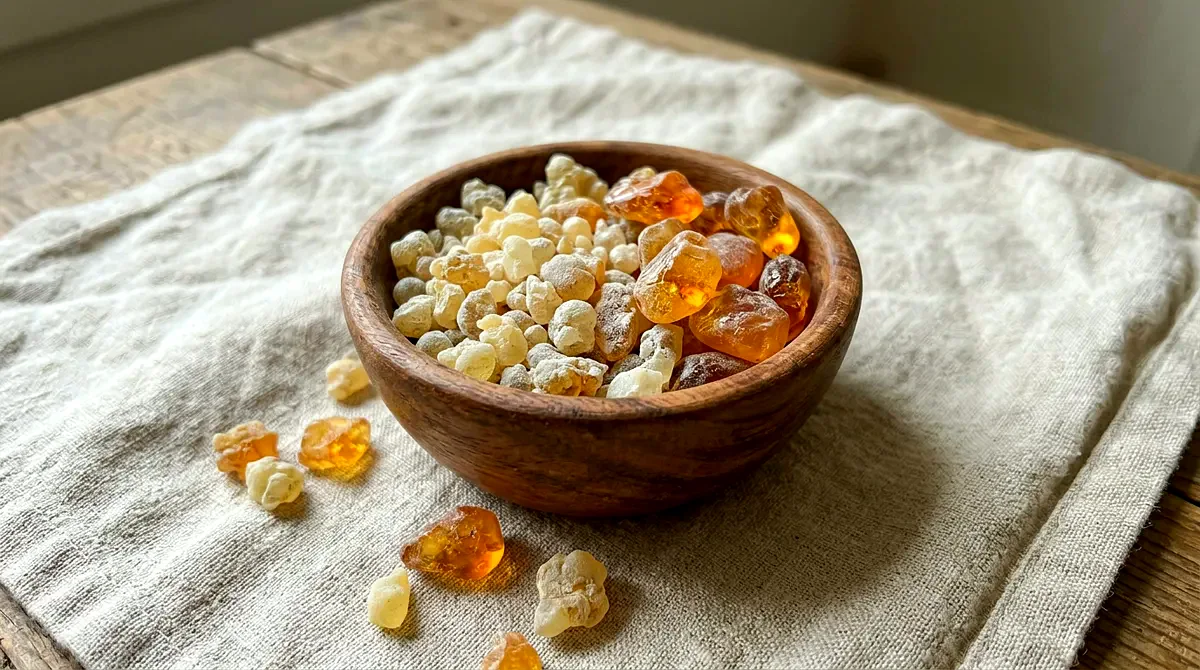
Boswellia serrata is the resin of the Indian frankincense tree, used for centuries in Ayurvedic tradition. In a 90-day trial published in Arthritis Research & Therapy in 2008, adults with knee discomfort who took a Boswellia extract reported more comfort and easier movement than those on placebo.
Undenatured type II collagen is the same kind of collagen your cartilage is made of, kept in its native form and taken in small amounts. In a six-month study published in Nutrition Journal in 2016, it was compared head to head with glucosamine plus chondroitin, and the collagen group reported more knee comfort on the measures used.
Both studies were funded by the companies that make those ingredients, so they are promising, not proven. But they explain why people like Linda, who already tried glucosamine, are looking at a different combination.
Putting it together: a two-capsule breakfast habit
If you want to try the same combination, there is a formula that puts it in one place: Okinawan ginger standardized for 6-gingerol, Boswellia, undenatured type II collagen and B vitamins for everyday energy. Two capsules with breakfast, next to your coffee.
It is not a painkiller and it will not replace your doctor or your daily walk. It is a simple habit, and the studies above ran for weeks to months, so it only makes sense if you give it time. Results vary from person to person.
The formula: ArtiBrex Joint Mobility Support
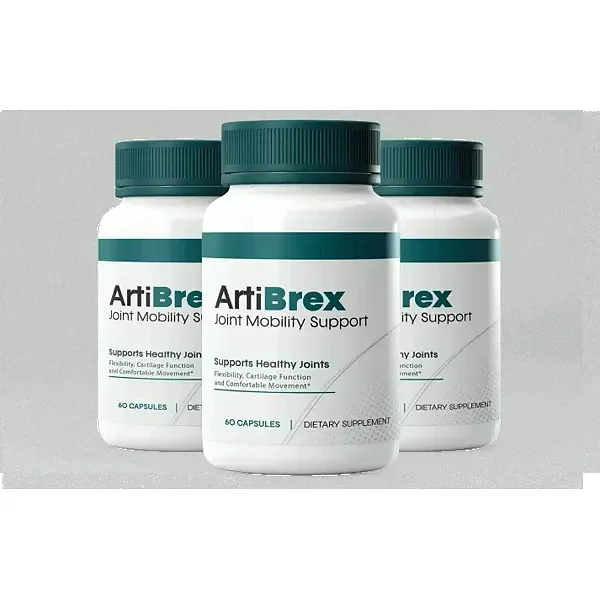
ArtiBrex is a dietary supplement made in the USA and third-party tested. It supports joint comfort, flexibility and mobility as part of an active routine.*
- Okinawan ginger standardized for 6-gingerol
- Boswellia serrata (frankincense resin)
- Undenatured type II collagen
- B1, B9 and B12
- Two capsules a day with breakfast, 60 capsules per bottle
See today's ArtiBrex prices →90-day money-back guarantee · Free US shipping
Where to get ArtiBrex
ArtiBrex is sold only through its official checkout. Most people choose three bottles: three months is about how long the collagen and Boswellia studies ran.
3 bottles$99 total$33 per bottle · 3-month supply
Choose 3 bottles
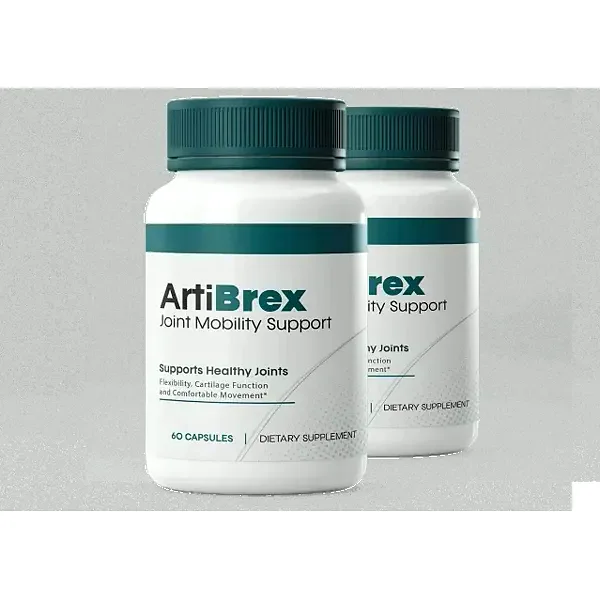 2 bottles$89 total$44.50 per bottle
Choose 2 bottles
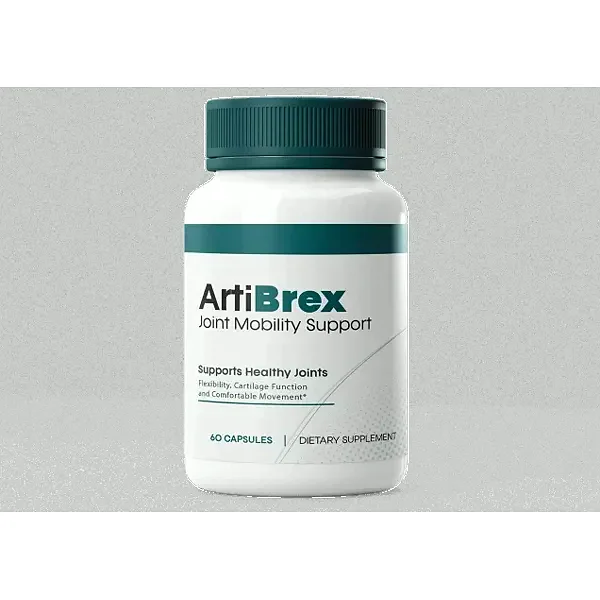 1 bottle$79 total1-month supply
Choose 1 bottle
Free US shipping. Your order includes automatic refills every 28 days at your package price until you cancel; cancel anytime by e-mail. Express shipping and a protection add-on are optional at checkout: untick them to pay only your package price.

90-day money-back guarantee
If ArtiBrex is not right for you, e-mail support@artibrex.com within 90 days of your purchase with your order number and ask for a refund.
Questions readers ask
How do I take it?
Two capsules a day with breakfast and a glass of water. One bottle lasts 30 days.
Can I take it with my medication?
Ask your doctor first, especially if you take a blood thinner: ginger and Boswellia may add to its effect. Do not stop any treatment on your own.
Is this a cure for arthritis?
No. ArtiBrex is a dietary supplement that supports joint comfort and mobility. It does not diagnose, treat, cure or prevent any disease and does not replace your doctor.
When will I notice something?
It varies. The studies ran from six weeks to six months, which is why most people give it three months.
- Altman R.D., Marcussen K.C. Effects of a ginger extract on knee pain in patients with osteoarthritis. Arthritis & Rheumatism, 2001.
- Sengupta K. et al. A double blind, randomized, placebo controlled study of the efficacy and safety of 5-Loxin for treatment of osteoarthritis of the knee. Arthritis Research & Therapy, 2008.
- Lugo J.P. et al. Efficacy and tolerability of an undenatured type II collagen supplement in modulating knee osteoarthritis symptoms. Nutrition Journal, 2016.
- Okinawa Centenarian Study (Willcox B.J., Willcox D.C., Suzuki M.), ongoing since 1975.
- U.S. Food and Drug Administration. FDA strengthens warning that non-aspirin NSAIDs can cause heart attacks or strokes, 2015.